Respected African Women's Wellness Guide Reveals a Simple 30-Day Method That Helps Women Reduce Painful Periods, Heavy Flow & Monthly Bloating
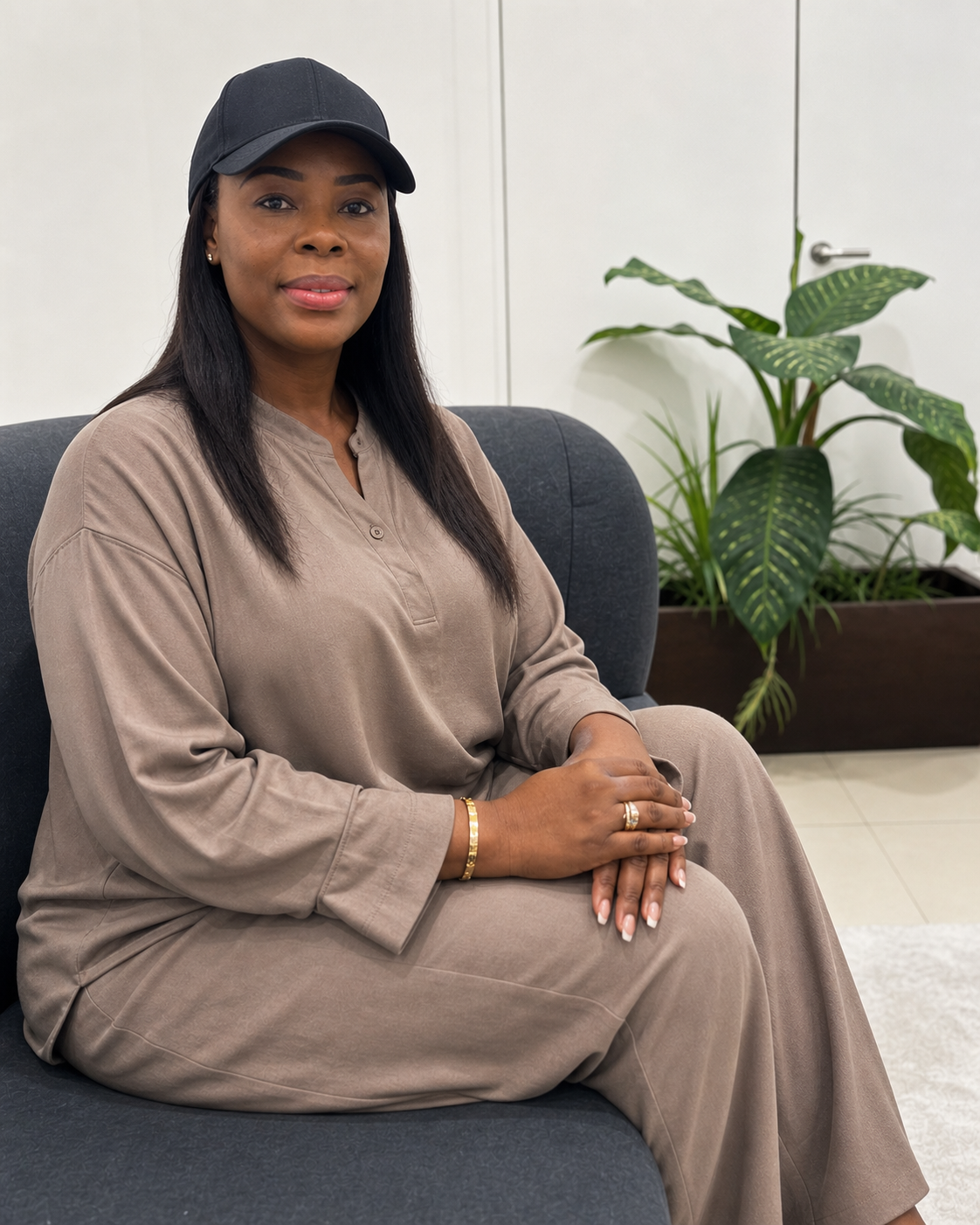
If you are reading this, something tells me you already know what I'm about to describe.
That dread that begins quietly somewhere in the middle of the month — when you start counting the days until your period comes again. Not with excitement. With fear. You wake up on Day 1 already calculating: Will today be a meeting day? A travel day? A day I have to face people?
The cramps come, and they don't behave like the cramps you read about online. They twist. They pull. They make you double over right there in the kitchen, hoping nobody walks in. You take painkillers like clockwork — two in the morning, two by afternoon, sometimes a third because the second one didn't even touch the pain.
The flow is heavy. You change pads more often than feels normal. You've leaked through clothes more than once. And then the swelling — that stubborn bloating in the lower belly that won't go down for days. Your jeans don't fit. You catch yourself in the mirror and ask, "Am I getting fat? Or is something wrong?"
"It can't be normal to feel this much pain every month. It just can't."
You've been to the doctor. You've done the scan. They told you everything looks "normal." You've asked your mother, your aunties, your friends. Some say "that's just how it is for women in our family." Others tell you to drink hot water. None of it really works.
And underneath all of it, there's a quieter pain you don't tell anybody about — the loneliness of suffering through something every single month that nobody can clearly explain to you.
Drop everything you are doing now and listen to every word I'm about to say.
Our grandmothers swore by it.
Long before the pharmacies came to our towns — before the painkillers, the supplements, and the scans that reveal nothing — the women in our lineage already knew. They had a quiet way of caring for the body through the cycle, using ginger from the kitchen, cinnamon from the spice shelf, warmth on the belly, rest at the right times. They didn't call it a "method." They just lived it.
And here is what nobody tells you: most of those women did not suffer the way we suffer today. The kind of crippling, life-stopping period pain that has become normal for women in their twenties and thirties? It was not normal in their generation. Something has changed. And the wisdom that protected them has been quietly forgotten.
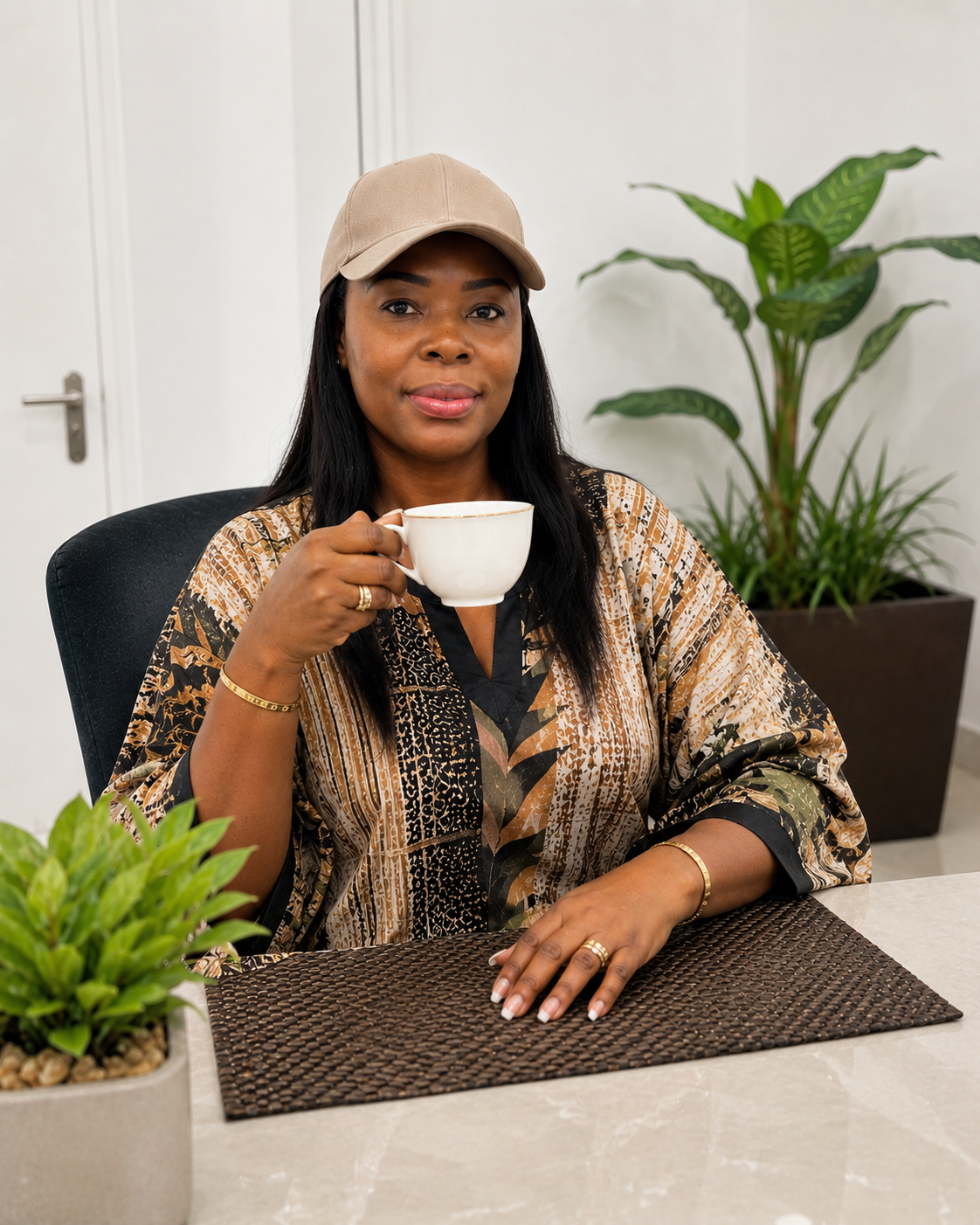
Hi, my name is Mama Adaeze. I am NOT a doctor. I'm not a gynaecologist. I'm not a registered herbalist with letters after my name. I'm just a woman who has spent years sitting with other women — listening, watching, and slowly learning what actually helps.
For me, it started when I was sixteen.
Senior secondary school. Middle of a maths test. The first wave hit me — a deep, twisting pull in my lower belly that made me drop my pen and grip the edge of the desk. I excused myself, walked to the bathroom, and bled through my uniform. I went home that day too embarrassed to look anyone in the eye.
From that month forward, every period was a war. My mother, my aunties, my grandmother — every single one of them said the same thing.
"My daughter, don't worry. It will stop after you have your first baby. The pain settles after childbirth."
I held onto that promise like it was a rope. Through university, through my first job, through my engagement and wedding and the early years of my marriage — that one sentence kept me going. Why wouldn't I believe it? Every woman in my family had told me the same thing.
And then, finally, I had my baby.
The pregnancy itself was a relief — nine months without a period felt like a holiday I never wanted to end. I gave birth, breastfed for almost a year, and the whole time I was waiting. Waiting for the gentler version of myself the women in my family had promised me.
My first period after childbirth came on a Tuesday morning. Within an hour, the same twisting, gripping, doubling-over pain I had been living with since I was sixteen. Maybe worse.
I sat on the bathroom floor for almost twenty minutes. I didn't cry. I just stared at the tiles and felt something quietly break inside me.
The promise was a lie.
That was the day my real search began. Because if childbirth wasn't going to fix this, nothing was going to fix itself.
The years that followed were exhausting in a way I cannot fully describe. There were days I wished women could be given six days of leave every month, because I was struggling at work through excruciating pain and pretending nothing was wrong. Smiling in meetings. Laughing at jokes. Coming home and collapsing into bed with my work clothes still on.
I started missing church on those Sundays. Then family events. Then friends' gatherings. Always the same excuse. Always the same week of the month.
And one evening, my husband came home and found me in tears. Not from pain. From something deeper.
He sat down beside me, took my hand, and said something I will never forget:
"Adaeze, I don't know what else we can do to ease this pain you feel every month. Even the doctors we've seen can't seem to offer a solution."
That sentence broke me. The man who loved me had been on this journey beside me, watching me suffer, and now he was telling me he had run out of ideas. We both had.
That night, after he fell asleep, I called my godmother in the village. I told her everything. She listened quietly. When I finally finished, she said only one thing:
"My daughter, come home next month. There is someone I have been waiting for the right time to introduce you to."
And I went.
By that point, I had tried everything: painkillers every cycle until my stomach reacted, bitter herbal mixtures from local vendors wrapped in newspaper, expensive "detox" teas with dramatic claims and no results, hot water bottles, advice from every aunty with a different theory. None of it had given me my life back. So I travelled home without expectation. I had stopped hoping.
The next afternoon, my godmother walked me down a quiet path to the home of a woman called Mama Ure.
Mama Ure was 72 years old. Small. Calm. The kind of older woman whose stillness fills a room. The women in that village had been quietly going to her with their cycle problems for almost forty years.
My godmother had known her for most of those years. But she had never sent me to her — until now. When I asked her later why she had waited so long, she said:
"You weren't ready, my daughter. You were still hoping the pain would fix itself. Mama Ure is for women who have stopped hoping for miracles and are ready to listen to their own body."
That afternoon, my younger cousin Adaobi was already at Mama Ure's place. She had been suffering with severe cycles too — and my godmother had gathered both of us there together.
Mama Ure sat us down on a small bench under a mango tree. She didn't lecture. She asked simple, careful questions.
"How long has the pain been with you? Does it start before, or only when the bleeding comes? Does your lower belly feel hot, or cold, or just heavy? What did you eat yesterday?"
What struck me was not just what she was asking — but how. As if every part of the cycle was connected. As if the pain, the heavy flow, and the swelling were not three separate problems… but one pattern.
When she had heard enough, she looked at us and said:
"My daughters, you have been trying to fight the pain on the day it comes. But the body is not asking you to fight on that day. The body wants to be supported throughout the whole month. There is a rhythm. Four parts. If you follow the rhythm, the pain becomes smaller and smaller every cycle."
Then she walked us through it.
Phase 1 — During your period. Calm the body. Warm foods. Soothing herbs. Rest. Receive the days.
Phase 2 — After your period. Rebuild. Replace the iron and energy that were lost. Beans, ugu, smoked fish, dates, beetroot.
Phase 3 — Mid-cycle. Maintain. Walk. Sleep early. Drink water. Keep the body steady.
Phase 4 — Before your next period. Prepare. The most important week. What you do here shapes the next period.
I sat there blinking at her. It was so simple it sounded almost silly. I remember thinking, "This cannot be it. There must be more."
Mama Ure smiled, like she had read every doubt on my face. She said:
"My daughter, the things that work are usually small. People look for big answers because they don't trust the small ones. Try it for one cycle. Just one. Then come and tell me."
I went home with a small notebook full of her instructions.
The first three days, I felt nothing. I called my godmother and almost cried. She said, "Be patient. The body is slow. Let it learn."
By Day 6, something shifted. The pain wasn't gone. But it was smaller. Less sharp. The kind of pain you could function around, instead of the kind that put you in bed.
By the next cycle, the difference was clear. Less pain. Less swelling. I went to work on Day 1 — something I hadn't done in years. By the third month, I caught myself standing in the kitchen one morning, drinking my ginger tea, and realising something strange:
I was no longer afraid of my period.
And then came the test that mattered most. One Saturday evening, my husband walked into the kitchen, watched me for a moment, and said:
"Adaeze… you're different these days. Your period doesn't seem to hit you like before. What changed?"
Not because of the question. Because of him. He had noticed before I had said a single word. The change wasn't just in how I felt. It was visible.
I told him everything. When I finished, he shook his head slowly, smiled, and said:
"Whoever taught you these things — go and thank her properly for me. She gave me my wife back."
That night I cried again — but this time, for a different reason.
A few months later, I travelled back home to thank Mama Ure properly. I stopped by Adaobi's house too. She opened the door and grabbed me into a long hug. "Sister, my monthly is now manageable. I can go to work even on Day 1. The swelling is going down. We have been worrying about something that had a small, simple answer all along."
That is when I understood — this was never my secret to keep.
I started sharing what I had learned with the women around me. First my cousins. Then their friends. Then strangers messaging me online. The questions came in faster than I could answer them.
So I sat down with a writer, an editor, and a designer, and put everything into one simple guide — the full method, the seven herbal companions, the exact 30-day plan, what to do, what to avoid, how to know it's working.
Introducing…
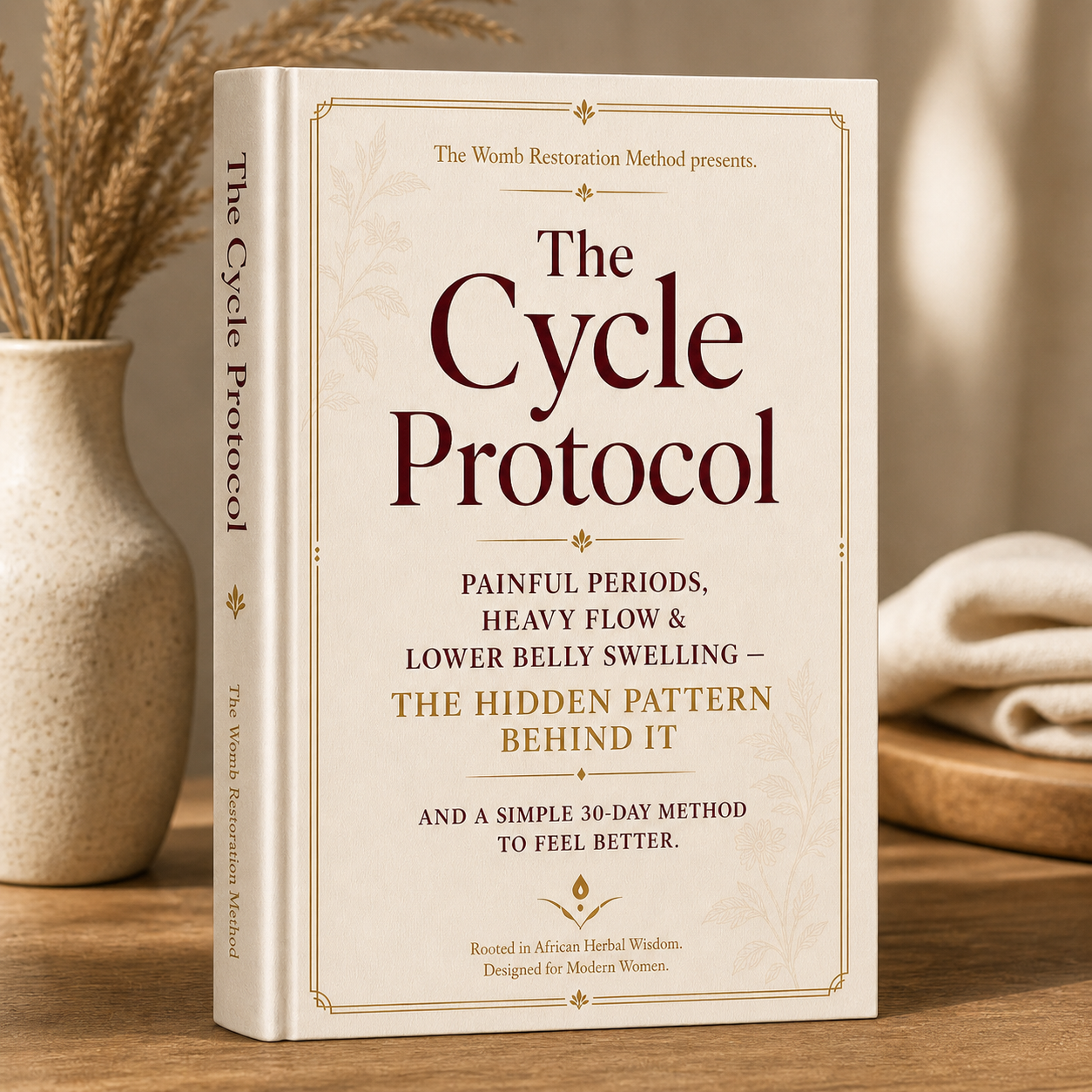
The Womb Restoration Method presents
The Cycle Protocol
Painful Periods, Heavy Flow & Lower Belly Swelling — The Hidden Pattern Behind It and a Simple 30-Day Method to Feel Better
Inside this e-guide, you'll discover:
- Why your period feels heavier, more painful, and different from others — and the simple shifts in modern life that have made it that way. — Pg. 9
- The simple truth your grandmother's generation understood about the cycle — that almost no doctor will sit you down and explain. — Pg. 8
- The 7 powerful herbal companions that support your body naturally — what each one does, when to use it, and (just as important) when NOT to use it. — Pg. 11
- How to use ginger, turmeric, chamomile, fennel and other herbs correctly — exact amounts, exact preparation, exact timing for real results. — Pg. 12–13
- The exact 4-phase, 30-day method to follow your cycle step-by-step — what to do during, after, mid-cycle, and the most important week of all. — Pg. 31–33
- The "Comfort Sequence" to reduce pain when cramps hit — five simple steps you can do in any room, any time, without any equipment. — Pg. 25
- A simple cycle tracker to help you understand your body patterns — so by the third month, you actually start seeing what your body has been trying to tell you. — Pg. 43
And the best part? You don't need to take more painkillers. You don't need overpriced supplements. You don't need to detox, fast, or starve yourself. It's the same method that worked for me — and has worked for hundreds of African women I've quietly shared it with.
Real Women. Real Stories.
From the comments & messages of women who have used The Cycle Protocol
Share Your Experience
Putting this guide together cost me over $120
Because I wanted this to be a guide my own daughter could read and follow without confusion, I worked with a writer, an editor, a designer, and tested the protocol with a small group of women across three cycles. Plus the website, hosting, and payment system that make sure you actually receive what you paid for.
It would be fair to charge $25. I'm not going to.
Here's the price for the first 50 women:
⚡ This discounted offer is for the first 50 women only — before the price changes.
🔒 Secure checkout · Pay by card or bank transfer · Instant access
Wait — I have a free gift for you
If you're among the first 50 women, you'll also receive these two bonuses alongside your package (today only):
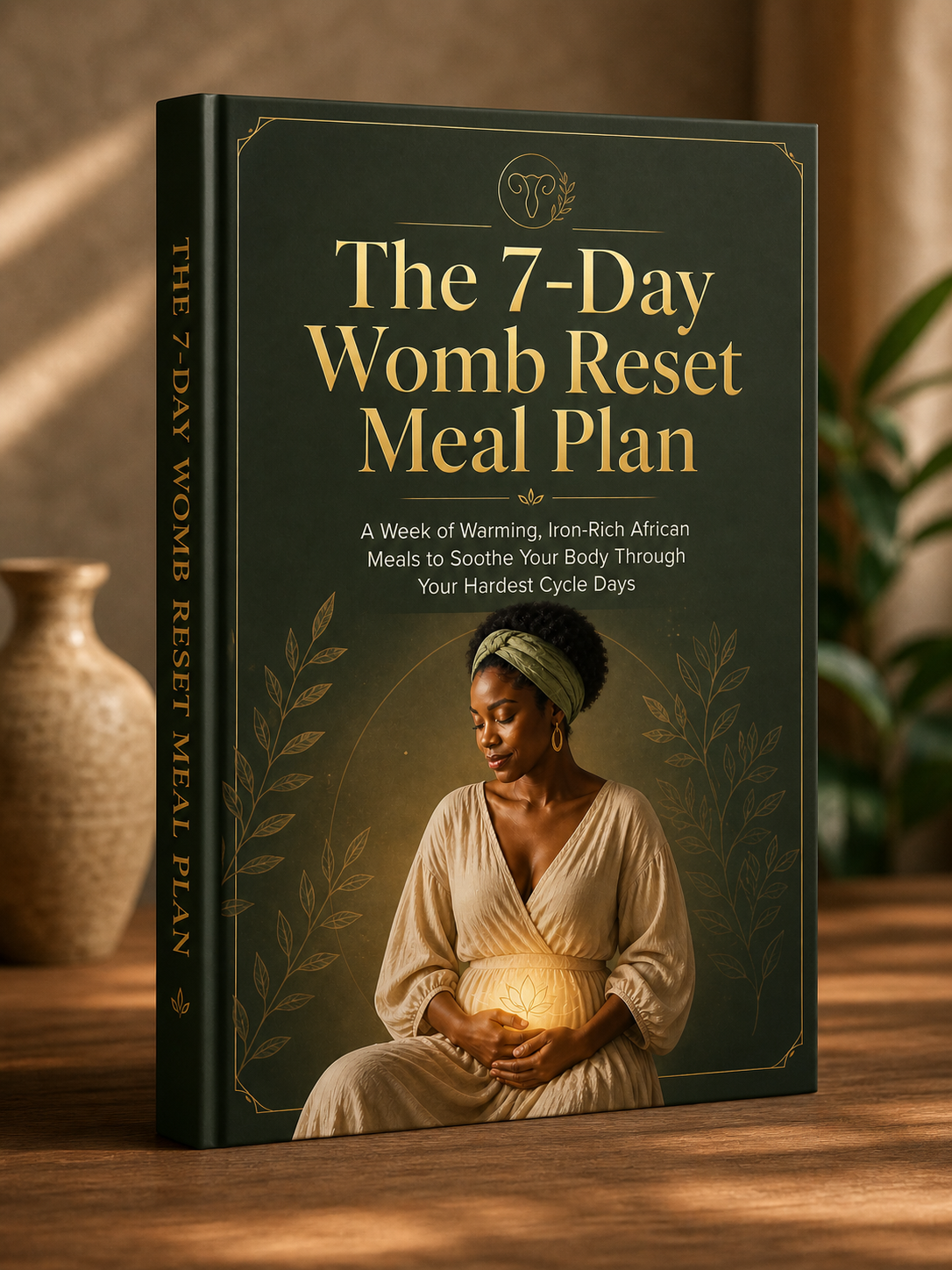
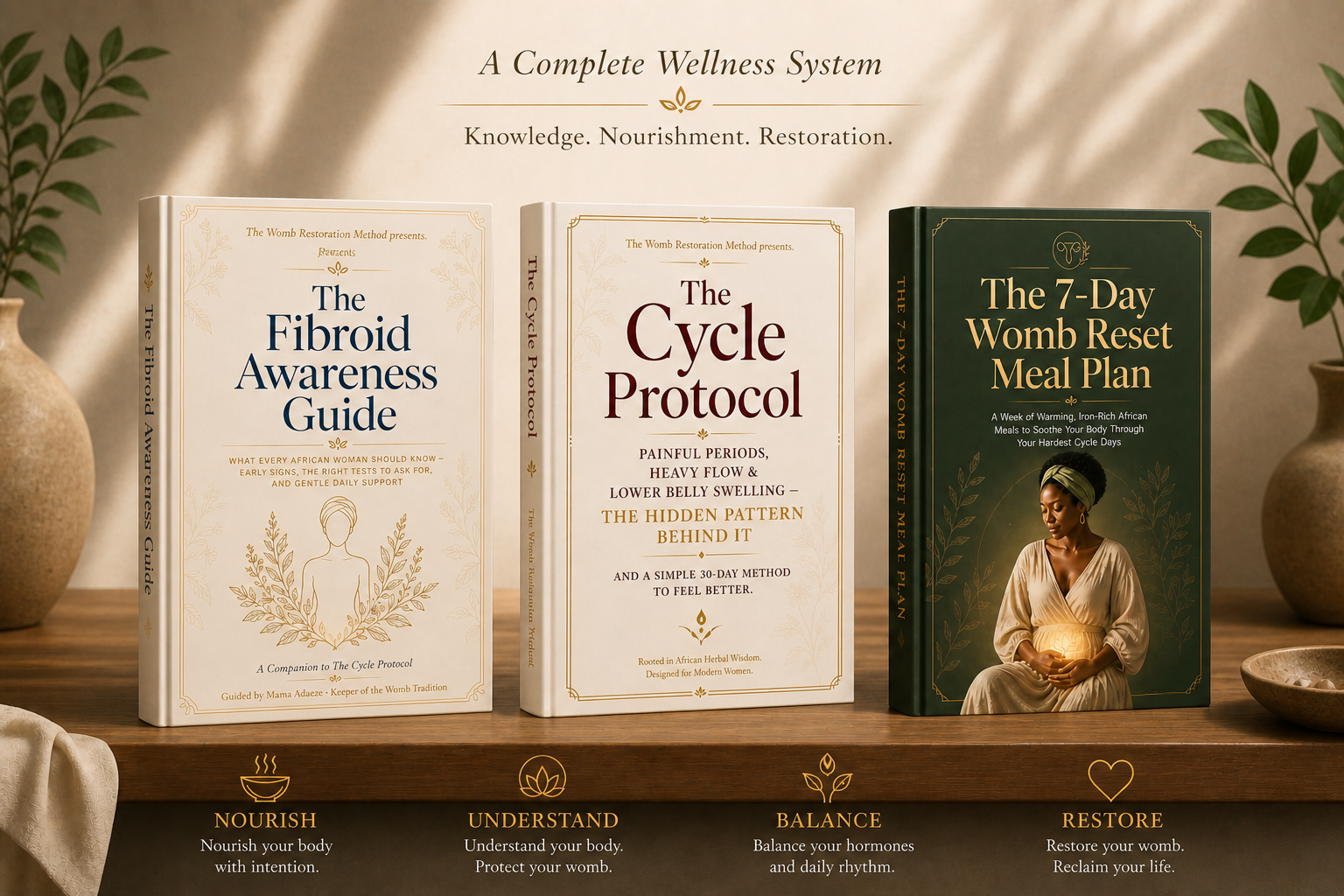
🎁 Bonus 1 · The 7-Day Womb Reset Meal Plan
A complete 7-day meal plan designed for your worst cycle days. Breakfast, lunch, dinner, snacks — all built around iron-rich, warming, anti-inflammatory foods. Laid out as actual African meals you can cook from your own kitchen. Full shopping list included. Diaspora substitutions included.
What this removes: the daily question of "what should I cook today?" — for one full week of your worst days.
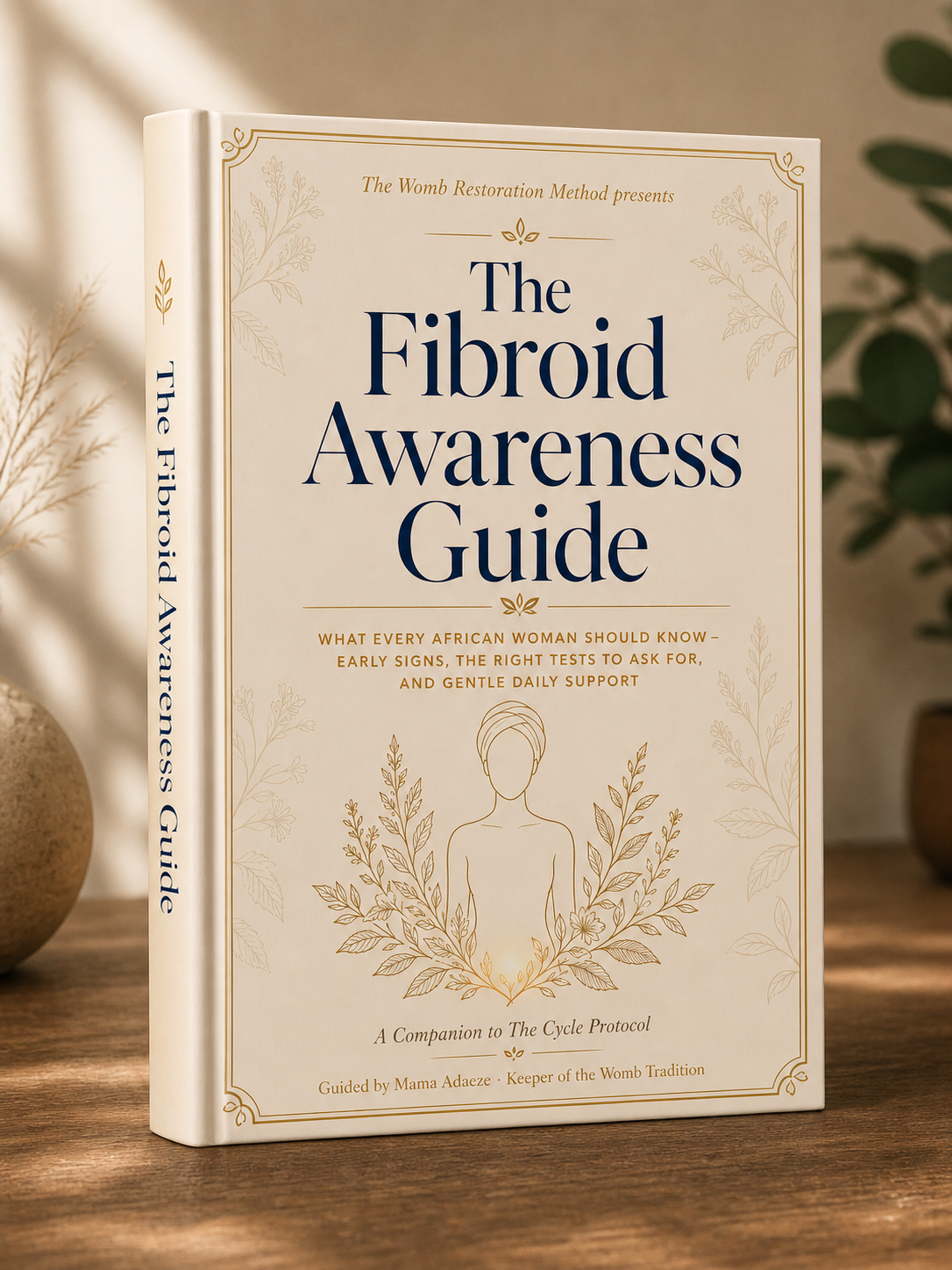
🎁 Bonus 2 · The Fibroid Awareness Guide
A 10–12 page educational guide titled "What Every African Woman Should Know About Fibroids." Pure education — not treatment claims. Covers what fibroids actually are, why African and African-Caribbean women are 3x more likely to develop them, the early warning signs, the right tests to ask your doctor about, and gentle lifestyle support that doesn't conflict with proper medical care.
Why this matters: Many of us either have fibroids or quietly fear we do. This guide gives you clarity instead of anxiety.
Total bonus value: $10
Total package: $19.70 worth of value — yours today for $9.70
🔒 Secure payment · Instant download to your email
Recent Buyers Say…
Short notes from women who got their copy this week
"Just paid! Already downloading. Thank you so much, Mama 🙏"
"Done. Got the email instantly. Looking forward to starting this cycle 💕"
"Payment successful. Bought two copies — one for me and one for my older sister 🌿"
"Card payment went through. Already on page 8. Crying small 😭❤️"
"Just got my download link. Thank you Mama Adaeze 🌷"
"Done. Reading the letter at the start now. This is exactly what I needed 🤍"
Only 13 spots remain at this price.
Still feeling unsure? I understand.
Use this guide for 30 days. Read every page. Try the herbs. Follow the protocol through one full cycle. If at the end of those 30 days you don't feel any improvement — if you don't find the guide genuinely helpful — simply send me a message at the email inside the guide, and you'll get a full refund. No questions asked. No hard feelings. No long forms to fill.
I can offer this because I've watched it work. With my own body. With Adaobi. With hundreds of women since. The risk is mine to carry, not yours.
You either feel better, or you pay nothing.
More Women Who Have Followed The Protocol
Stories from across the continent
You now have two choices.
Take action today. Get The Cycle Protocol. Follow it for one full cycle. Discover what your grandmother already knew about your body — and start regaining the days every month that the pain has been stealing from you.
Close this page. Keep doing what you've been doing — running from one painkiller to the next, asking aunties for advice, hoping the next cycle will somehow be different. Maybe it will. Maybe it won't.
You found this page for a reason. Whether you take the next step is entirely up to you.
🔒 One-time payment of $9.70 · Instant download · 30-day money-back promise
With love,
Mama Adaeze
(a voice for the women who came before us)
The Womb Restoration Method
Respected African Women's Wellness Guide Reveals a Simple 30-Day Method That Helps Women Reduce Painful Periods, Heavy Flow & Monthly Bloating
If you are reading this, something tells me you already know what I'm about to describe.
That dread that begins quietly somewhere in the middle of the month — when you start counting the days until your period comes again. Not with excitement. With fear. You wake up on Day 1 already calculating: Will today be a meeting day? A travel day? A day I have to face people?
The cramps come, and they don't behave like the cramps you read about online. They twist. They pull. They make you double over right there in the kitchen, hoping nobody walks in. You take painkillers like clockwork — two in the morning, two by afternoon, sometimes a third because the second one didn't even touch the pain.
The flow is heavy. You change pads more often than feels normal. You've leaked through clothes more than once. And then the swelling — that stubborn bloating in the lower belly that won't go down for days. Your jeans don't fit. You catch yourself in the mirror and ask, "Am I getting fat? Or is something wrong?"
"It can't be normal to feel this much pain every month. It just can't."
You've been to the doctor. You've done the scan. They told you everything looks "normal." You've asked your mother, your aunties, your friends. Some say "that's just how it is for women in our family." Others tell you to drink hot water. None of it really works.
And underneath all of it, there's a quieter pain you don't tell anybody about — the loneliness of suffering through something every single month that nobody can clearly explain to you.
Drop everything you are doing now and listen to every word I'm about to say.
Our grandmothers swore by it.
Long before the pharmacies came to our towns — before the painkillers, the supplements, and the scans that reveal nothing — the women in our lineage already knew. They had a quiet way of caring for the body through the cycle, using ginger from the kitchen, cinnamon from the spice shelf, warmth on the belly, rest at the right times. They didn't call it a "method." They just lived it.
And here is what nobody tells you: most of those women did not suffer the way we suffer today. The kind of crippling, life-stopping period pain that has become normal for women in their twenties and thirties? It was not normal in their generation. Something has changed. And the wisdom that protected them has been quietly forgotten.
Hi, my name is Mama Adaeze. I am NOT a doctor. I'm not a gynaecologist. I'm not a registered herbalist with letters after my name. I'm just a woman who carried something forward — something an older woman from my village taught me, that I have spent years living with, refining, and quietly sharing with the women who come to me for help.
For me, it started when I was sixteen.
Senior secondary school. Middle of a maths test. The first wave hit me — a deep, twisting pull in my lower belly that made me drop my pen and grip the edge of the desk. I excused myself, walked to the bathroom, and bled through my uniform. I went home that day too embarrassed to look anyone in the eye.
From that month forward, every period was a war. My mother, my aunties, my grandmother — every single one of them said the same thing.
"My daughter, don't worry. It will stop after you have your first baby. The pain settles after childbirth."
I held onto that promise like it was a rope. Through university, through my first job, through my engagement and wedding and the early years of my marriage — that one sentence kept me going. Why wouldn't I believe it? Every woman in my family had told me the same thing.
And then, finally, I had my baby.
The pregnancy itself was a relief — nine months without a period felt like a holiday I never wanted to end. I gave birth, breastfed for almost a year, and the whole time I was waiting. Waiting for the gentler version of myself the women in my family had promised me.
My first period after childbirth came on a Tuesday morning. Within an hour, the same twisting, gripping, doubling-over pain I had been living with since I was sixteen. Maybe worse.
I sat on the bathroom floor for almost twenty minutes. I didn't cry. I just stared at the tiles and felt something quietly break inside me.
The promise was a lie.
That was the day my real search began. Because if childbirth wasn't going to fix this, nothing was going to fix itself.
The years that followed were exhausting in a way I cannot fully describe. There were days I wished women could be given six days of leave every month, because I was struggling at work through excruciating pain and pretending nothing was wrong. Smiling in meetings. Laughing at jokes. Coming home and collapsing into bed with my work clothes still on.
I started missing church on those Sundays. Then family events. Then friends' gatherings. Always the same excuse. Always the same week of the month.
And one evening, my husband came home and found me in tears. Not from pain. From something deeper.
He sat down beside me, took my hand, and said something I will never forget:
"Adaeze, I don't know what else we can do to ease this pain you feel every month. Even the doctors we've seen can't seem to offer a solution."
That sentence broke me. The man who loved me had been on this journey beside me, watching me suffer, and now he was telling me he had run out of ideas. We both had.
That night, after he fell asleep, I called my godmother in the village. I told her everything. She listened quietly. When I finally finished, she said only one thing:
"My daughter, come home next month. There is someone you should meet."
And I went.
By that point, I had tried everything: painkillers every cycle until my stomach reacted, bitter herbal mixtures from local vendors wrapped in newspaper, expensive "detox" teas with dramatic claims and no results, hot water bottles, advice from every aunty with a different theory. None of it had given me my life back. So I travelled home without expectation. I had stopped hoping.
The next afternoon, my godmother walked me down a quiet path to a small compound two streets away — to the home of a woman the village simply called the elder.
She was in her seventies. Small. Calm. The kind of older woman whose stillness fills a room. The women in that village had been quietly going to her with cycle problems for almost forty years. I had grown up hearing about her, but never had reason to sit with her until now.
She received me on a bench under the mango tree behind her house. She did not lecture. She did not announce a method. She mostly asked questions, and waited a long time between them.
"How long has the pain been with you? Does it start before, or only when the bleeding comes? Does your lower belly feel hot, or cold, or just heavy? What did you eat yesterday?"
What struck me was not just what she was asking — but how. As if every part of the cycle was connected. As if the pain, the heavy flow, and the swelling were not three separate problems… but one pattern.
That first afternoon, she did not give me a plan. She gave me three small things to start with — a warming tea in the morning, a particular leafy soup after my period, an early bedtime in the week before. "Begin here," she said. "Come and tell me what you notice."
I went home and did exactly that. And what unfolded over the following months was not a tidy framework delivered under a tree. It was slow. I went back to the village twice more. I sat with her each time. I asked questions and got short answers. I tried things, watched my body, came back and reported. She would nod, adjust one thing, send me away again.
It took me almost a year of living with her guidance — and quietly sitting with other women in my own circle — before I could name the rhythm she had been pointing me toward all along. Four parts. Four phases of a single cycle, each asking for something different.
Phase 1 — During your period. Calm the body. Warm foods. Soothing herbs. Rest. Receive the days.
Phase 2 — After your period. Rebuild. Replace the iron and energy that were lost. Beans, ugu, smoked fish, dates, beetroot.
Phase 3 — Mid-cycle. Maintain. Walk. Sleep early. Drink water. Keep the body steady.
Phase 4 — Before your next period. Prepare. The most important week. What you do here shapes the next period.
The first time I tried to explain the four phases back to her, she just nodded slowly and said:
"My daughter, the things that work are usually small. People look for big answers because they don't trust the small ones. You have learned to trust the small ones. That is enough."
What I can tell you is what happened along the way.
Within the first month of trying her three small starting practices, something shifted. The pain was not gone. But it was smaller. Less sharp. The kind of pain you could function around, instead of the kind that put you in bed.
By the third cycle, the difference was clear. Less pain. Less swelling. I went to work on Day 1 — something I hadn't done in years. By the sixth month, I caught myself standing in the kitchen one morning, drinking my ginger tea, and realising something strange:
I was no longer afraid of my period.
And then came the test that mattered most. One Saturday evening, my husband walked into the kitchen, watched me for a moment, and said:
"Adaeze… you're different these days. Your period doesn't seem to hit you like before. What changed?"
Not because of the question. Because of him. He had noticed before I had said a single word. The change wasn't just in how I felt. It was visible.
I told him everything. When I finished, he shook his head slowly, smiled, and said:
"Whoever taught you these things — go and thank her properly for me. She gave me my wife back."
That night I cried again — but this time, for a different reason.
A few months later, I travelled back home to thank the elder properly. While I was there, I sat with my younger cousin Adaobi — who had also been suffering with severe cycles for years. I shared with her, slowly, the same small practices the elder had given me. She started them that same week. By the time I saw her again three months later, she opened the door and grabbed me into a long hug. "Sister, my monthly is now manageable. I can go to work even on Day 1. The swelling is going down. We have been worrying about something that had a small, simple answer all along."
That is when I understood — this was never my secret to keep.
I started sharing what I had learned with the women around me. First my cousins. Then their friends. Then strangers messaging me online. The questions came in faster than I could answer them.
So I sat down with a writer, an editor, and a designer, and put everything into one simple guide — the method an older woman from my village taught me, refined through years of my own living with it. The full rhythm. The seven herbal companions. The exact 30-day plan. What to do, what to avoid, how to know it's working.
Introducing…
The Womb Restoration Method presents
The Cycle Protocol
Painful Periods, Heavy Flow & Lower Belly Swelling — The Hidden Pattern Behind It and a Simple 30-Day Method to Feel Better
Inside this e-guide, you'll discover:
- Why your period feels heavier, more painful, and different from others — and the simple shifts in modern life that have made it that way.
- The simple truth your grandmother's generation understood about the cycle — that almost no doctor will sit you down and explain.
- The 7 herbal companions that support your body naturally — plus a bonus note on peppermint — what each one does, when to use it, and (just as important) when NOT to use it.
- How to use ginger, turmeric, chamomile, fennel and other herbs correctly — exact amounts, exact preparation, exact timing for real results.
- The exact 4-phase, 30-day method to follow your cycle step-by-step — what to do during, after, mid-cycle, and the most important phase of all.
- The "Comfort Sequence" to reduce pain when cramps hit — five simple steps you can do in any room, any time, without any equipment.
- A simple cycle tracker to help you understand your body patterns — so by the third month, you actually start seeing what your body has been trying to tell you.
And the best part? You don't need to take more painkillers. You don't need overpriced supplements. You don't need to detox, fast, or starve yourself. It's the same method that worked for me — and has worked for hundreds of African women I've quietly shared it with.
Real Women. Real Stories.
From the comments & messages of women who have used The Cycle Protocol
Share Your Experience
Putting this guide together cost me over $120
Because I wanted this to be a guide my own daughter could read and follow without confusion, I worked with a writer, an editor, a designer, and tested the protocol with a small group of women across three cycles. Plus the website, hosting, and payment system that make sure you actually receive what you paid for.
It would be fair to charge $25. I'm not going to.
Here's the price for the first 50 women:
⚡ This discounted offer is for the first 50 women only — before the price changes.
🔒 Secure checkout · Pay by card or bank transfer · Instant access
Wait — I have a free gift for you
If you're among the first 50 women, you'll also receive these two bonuses alongside your package (today only):
🎁 Bonus 1 · The 7-Day Womb Reset Meal Plan
A complete 7-day meal plan designed for your worst cycle days. Breakfast, lunch, dinner, snacks — all built around iron-rich, warming, anti-inflammatory foods. Laid out as actual African meals you can cook from your own kitchen. Full shopping list included. Diaspora substitutions included.
What this removes: the daily question of "what should I cook today?" — for one full week of your worst days.
🎁 Bonus 2 · The Fibroid Awareness Guide
A 10–12 page educational guide titled "What Every African Woman Should Know About Fibroids." Pure education — not treatment claims. Covers what fibroids actually are, why African and African-Caribbean women are 3x more likely to develop them, the early warning signs, the right tests to ask your doctor about, and gentle lifestyle support that doesn't conflict with proper medical care.
Why this matters: Many of us either have fibroids or quietly fear we do. This guide gives you clarity instead of anxiety.
Total bonus value: $10
Total package: $19.70 worth of value — yours today for $9.70
🔒 Secure payment · Instant download to your email
Recent Buyers Say…
Short notes from women who got their copy this week
"Just paid! Already downloading. Thank you so much, Mama 🙏"
"Done. Got the email instantly. Looking forward to starting this cycle 💕"
"Payment successful. Bought two copies — one for me and one for my older sister 🌿"
"Card payment went through. Already on page 8. Crying small 😭❤️"
"Just got my download link. Thank you Mama Adaeze 🌷"
"Done. Reading the letter at the start now. This is exactly what I needed 🤍"
Only 13 spots remain at this price.
Still feeling unsure? I understand.
Use this guide for 30 days. Read every page. Try the herbs. Follow the protocol through one full cycle. If at the end of those 30 days you don't feel any improvement — if you don't find the guide genuinely helpful — simply send me a message at the email inside the guide, and you'll get a full refund. No questions asked. No hard feelings. No long forms to fill.
I can offer this because I've watched it work. With my own body. With Adaobi. With hundreds of women since. The risk is mine to carry, not yours.
You either feel better, or you pay nothing.
More Women Who Have Followed The Protocol
Stories from across the continent
You now have two choices.
Take action today. Get The Cycle Protocol. Follow it for one full cycle. Discover what your grandmother already knew about your body — and start regaining the days every month that the pain has been stealing from you.
Close this page. Keep doing what you've been doing — running from one painkiller to the next, asking aunties for advice, hoping the next cycle will somehow be different. Maybe it will. Maybe it won't.
You found this page for a reason. Whether you take the next step is entirely up to you.
🔒 One-time payment of $9.70 · Instant download · 30-day money-back promise
With love,
Mama Adaeze
(a voice for the women who came before us)
The Womb Restoration Method